
Maximizing Vehicle Longevity and Shine Through Professional Auto Detailing Service
Auto detailing is a meticulous process that involves cleaning, restoring, and finishing a vehicle to achieve its best possible appearance. As an important aspect of vehicle maintenance, detailing goes beyond the standard car wash to ensure that both the interior and exterior of the car are in pristine condition. This article provides valuable tips and advice on auto detailing services and maintenance to help car owners keep their vehicles in top shape.
1. Understanding the Basics of Auto Detailing
1.1. What is Auto Detailing?
Auto detailing is a comprehensive cleaning and reconditioning process for both the interior and exterior of vehicles. Unlike a basic car wash, detailing involves a deep clean with specialized tools and products to remove dirt, grime, and scratches. The goal is to restore the vehicle's appearance to like-new condition. Detailing can also include additional services such as paint correction, waxing, and polishing to enhance the vehicle's shine and protect the finish. This meticulous process helps maintain the vehicle’s value and extends its lifespan.
1.2. Importance of Regular Detailing
Regular auto detailing is crucial for maintaining the aesthetic and functional value of a vehicle. Over time, dirt, dust, and contaminants can build up on the car's surface and inside, causing wear and tear. Regular detailing helps prevent these issues by thoroughly cleaning and conditioning surfaces. According to J-Tech Institute, the frequency of detailing can vary based on usage, but most experts recommend detailing 2 to 3 times a year. This regular maintenance ensures the vehicle remains in excellent condition, both visually and mechanically.
1.3. Differentiating Between Detailing and Washing
While both detailing and washing involve cleaning a vehicle, they are fundamentally different processes. Car washing typically involves a quick rinse and scrub to remove surface dirt and grime. In contrast, detailing is a comprehensive cleaning process that addresses every part of the car, including hard-to-reach areas. Detailing involves specialized products and tools to clean, polish, and protect the vehicle, offering a deeper clean than a standard wash. Understanding these differences helps car owners choose the right maintenance for their vehicle.
1.4. Overview of Detailing Products and Tools
A variety of products and tools are available for auto detailing, each tailored to specific cleaning needs. Common tools include microfiber cloths, brushes, and buffers, which help in applying detailing products effectively. Products such as shampoos, waxes, polishes, and sealants are formulated to clean and protect different surfaces of the car. Using the right combination of tools and products is essential for achieving optimal results. Professional detailers often have access to high-quality equipment and products, which can make a significant difference in the detailing process.
1.5. Cost Factors in Auto Detailing
The cost of auto detailing can vary widely based on several factors, including the size and condition of the vehicle, the type of services requested, and the detailer's level of expertise. Basic detailing services are generally more affordable, while comprehensive packages that include additional services such as paint correction and engine cleaning can be more expensive. It's important to consider these factors when budgeting for detailing services. Investing in regular detailing can save money in the long run by preventing costly repairs and maintaining the vehicle's resale value.
2. Exterior Detailing Tips
2.1. Selecting the Right Cleaning Products
Choosing the right cleaning products is essential for effective exterior detailing. Products should be compatible with the vehicle's paint and materials to avoid damage. Quality car shampoos, waxes, and polishes are designed to clean and protect the exterior surfaces. Additionally, using products that are environmentally friendly and biodegradable can reduce impact on the environment. Always follow the manufacturer's instructions for best results and to maintain the vehicle's appearance and value.
2.2. Proper Washing Techniques
Proper washing techniques are crucial for preventing scratches and damage to the vehicle’s paint. Using a two-bucket method—one for soapy water and one for rinsing the wash mitt—helps reduce the risk of transferring dirt back onto the car. Always wash the vehicle from top to bottom, as dirt tends to accumulate at the bottom. Using a microfiber towel or mitt helps prevent scratches, and a final rinse with clean water ensures all soap residue is removed. Drying the vehicle with a clean, soft towel prevents water spots and streaks.
2.3. Waxing and Polishing for Protection
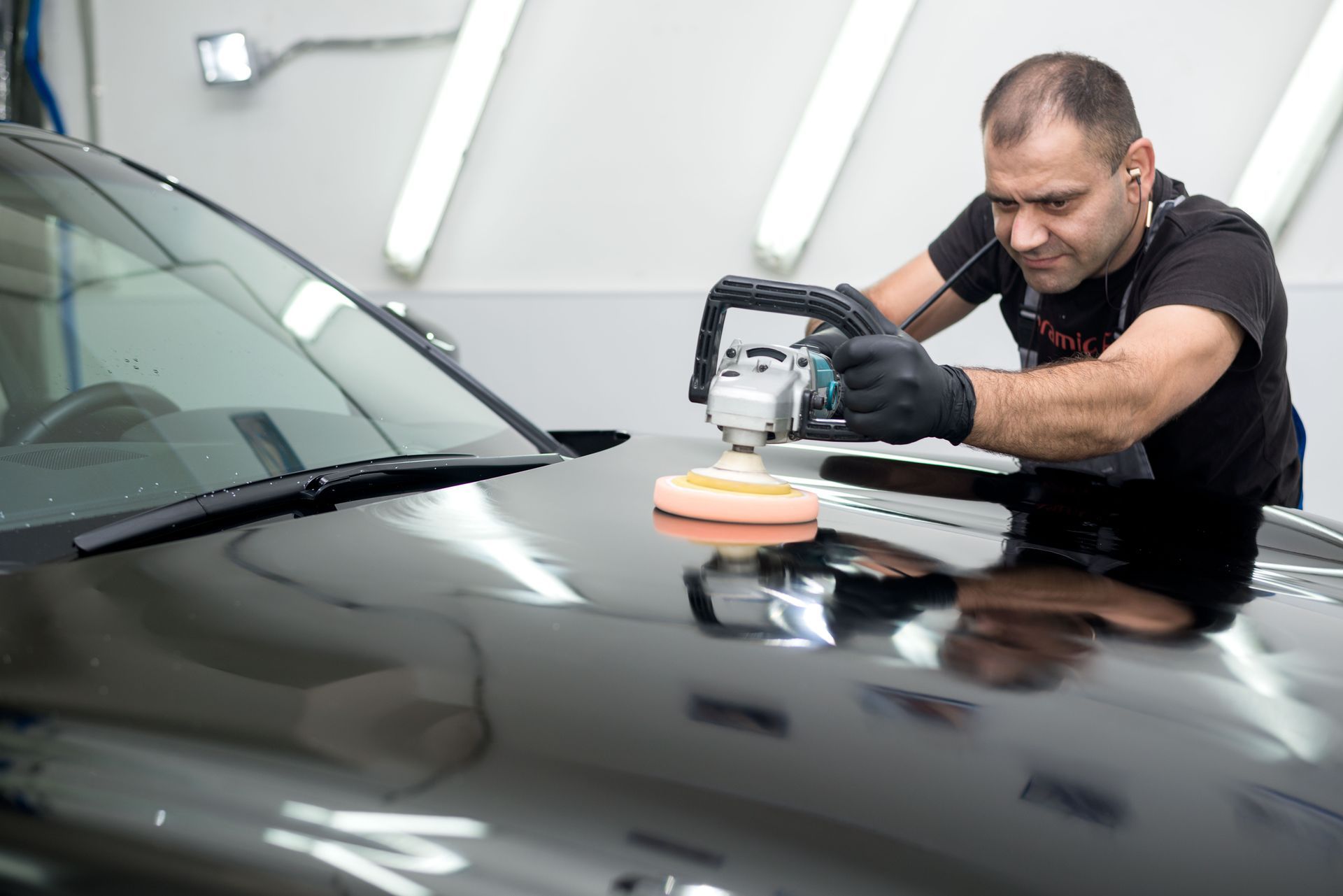
Waxing and polishing are essential steps for protecting the vehicle’s paint and enhancing its shine. Polishing removes minor scratches and swirl marks, while waxing adds a protective layer against environmental elements. It’s important to apply wax in a cool, shaded area to prevent it from drying too quickly. Using a high-quality wax can provide long-lasting protection and a glossy finish. Regular waxing, typically every few months, helps maintain the vehicle’s appearance and offers protection against UV rays, rain, and pollution.
2.4. Maintaining Wheels and Tires
Wheels and tires are often overlooked in detailing but are crucial for the vehicle’s overall appearance. Cleaning wheels involves removing brake dust, dirt, and grime that can accumulate over time. Specialized wheel cleaners are formulated to dissolve tough residues without damaging the finish. Tires should be cleaned and dressed with a tire shine product to restore their appearance and protect against cracking. Regular maintenance of wheels and tires not only enhances the vehicle’s aesthetics but also contributes to safer driving conditions.
2.5. Protecting Paint from Environmental Damage
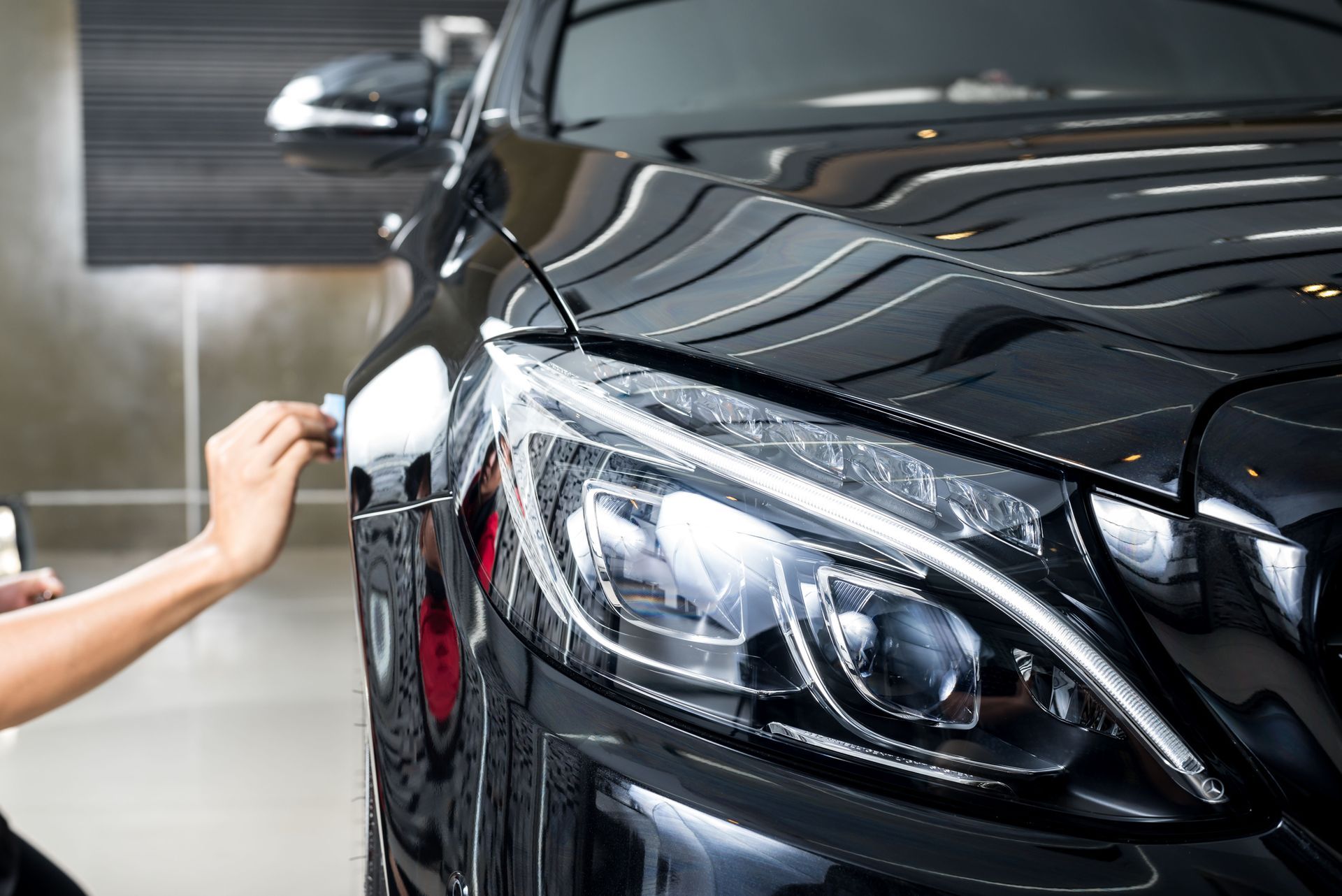
Environmental elements such as UV rays, acid rain, and bird droppings can cause significant damage to a vehicle’s paint over time. Regular washing and waxing provide a protective barrier against these elements. Parking the vehicle in a shaded or covered area can further protect it from sun damage. Using paint sealants or ceramic coatings offers additional protection by creating a durable layer over the paint. These measures help maintain the vehicle’s finish and prevent costly paint repairs in the future.
3. Interior Detailing Recommendations
3.1. Vacuuming and Dusting Techniques
Interior detailing begins with thorough vacuuming and dusting to remove dirt and debris from all surfaces. Using a vacuum with various attachments helps clean hard-to-reach areas such as under seats and between cushions. Dusting with a microfiber cloth prevents scratches on delicate surfaces like dashboards and displays. Regular vacuuming and dusting maintain a clean and inviting interior environment. Establishing a routine for these tasks keeps the interior in pristine condition and enhances the driving experience.
3.2. Cleaning Upholstery and Leather
Upholstery and leather seats require special care to maintain their appearance and durability. Fabric seats can be cleaned with a carpet cleaner or upholstery shampoo to remove stains and odors. Leather seats benefit from regular conditioning to prevent cracking and fading. Using products specifically designed for each material ensures effective cleaning and protection. Regular maintenance of upholstery and leather enhances the overall comfort and aesthetics of the vehicle’s interior.
3.3. Dashboard and Console Care
The dashboard and console are focal points in the vehicle's interior and require regular care to look their best. Dust and grime can accumulate on these surfaces, affecting their appearance and functionality. Using a gentle cleaner and a soft cloth helps remove dirt without damaging sensitive electronics. Applying a UV protectant can prevent fading and cracking caused by sun exposure. Regular cleaning and care of the dashboard and console enhance the vehicle’s interior appeal and functionality.
3.4. Odor Removal Strategies
Unpleasant odors in a vehicle can be caused by a variety of factors, including spills, food, and pets. Thorough cleaning of the interior is the first step in odor removal. Using an enzymatic cleaner can help break down odor-causing substances. Air fresheners and odor eliminators can provide a pleasant scent and neutralize lingering odors. Regularly replacing cabin air filters also helps maintain fresh air within the vehicle. Implementing these strategies ensures a clean and pleasant driving environment.
3.5. Window and Mirror Cleaning
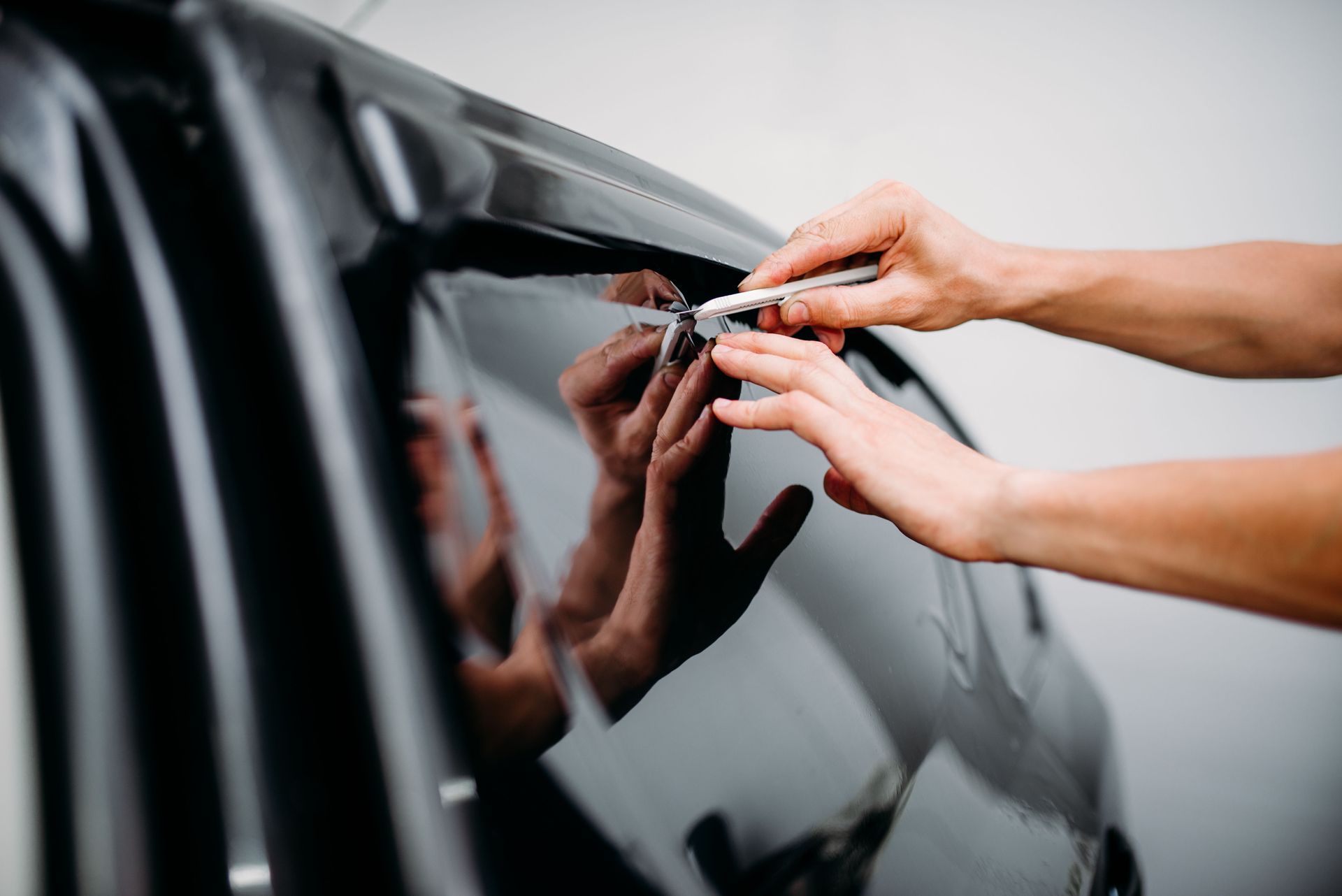
Clean windows and mirrors are essential for safe driving and an aesthetically pleasing vehicle. Using a glass cleaner and a microfiber cloth helps remove smudges and streaks effectively. It’s important to clean both the interior and exterior surfaces of windows and mirrors for optimal visibility. Avoiding ammonia-based cleaners prevents damage to tinted windows. Regular cleaning of windows and mirrors enhances the vehicle’s appearance and ensures clear visibility in all driving conditions.
4. Engine Bay Detailing
4.1. Safety Precautions Before Starting
Safety is paramount when detailing the engine bay, as it involves working with sensitive and potentially hazardous components. Ensuring the engine is cool before starting prevents burns and other injuries. Disconnecting the battery reduces the risk of electrical shorts. Wearing gloves and protective eyewear provides additional safety during the cleaning process. Taking these precautions ensures a safe and effective engine bay detailing experience.
4.2. Tools and Products Required
Engine bay detailing requires specific tools and products to achieve a thorough clean without causing damage. Brushes with long handles help reach tight spaces and remove dirt and grime. Degreasers and all-purpose cleaners are essential for breaking down tough residues. Using a hose with a gentle spray nozzle allows for controlled rinsing of the engine bay. Choosing the right tools and products is crucial for effective and safe engine bay detailing.
4.3. Step-by-Step Cleaning Process
The engine bay cleaning process involves several steps to ensure thorough cleaning without damaging components. First, cover sensitive areas such as the alternator and air intake with plastic bags to protect them from water. Apply a degreaser to break down grease and grime, using brushes to scrub stubborn areas. Rinse the engine bay gently with water, ensuring no residue is left behind. Dry the engine bay with a microfiber cloth to prevent water spots. Following these steps ensures a clean and well-maintained engine bay.
4.4. Protecting Engine Components
After cleaning, protecting engine components is essential to maintain their functionality and appearance. Applying a dressing to plastic and rubber parts prevents them from drying out and cracking. Regularly checking and maintaining fluid levels ensures the engine operates smoothly. Keeping the engine bay clean and protected extends the life of engine components and enhances the vehicle’s performance. Implementing these protective measures helps maintain a reliable and efficient engine.
4.5. Frequency of Engine Detailing
The frequency of engine detailing depends on driving conditions and environmental factors. Regular inspection and cleaning help prevent dirt and grime buildup, which can affect engine performance. According to experts, engine detailing should be done at least once or twice a year. This regular maintenance ensures the engine bay remains clean and functional. Keeping the engine bay in good condition enhances the overall longevity of the vehicle.
5. Seasonal Detailing Considerations
5.1. Preparing for Winter Conditions
Winter conditions pose unique challenges for vehicle maintenance, making seasonal detailing essential. Applying a high-quality wax before winter provides a protective barrier against salt and snow. Cleaning and dressing rubber seals prevent them from freezing and cracking in cold weather. Regularly washing the vehicle during winter removes salt and grime that can cause rust and corrosion. Preparing for winter ensures the vehicle remains in good condition throughout the season.
5.2. Spring Cleaning Essentials
Spring is an ideal time for a deep clean after the harsh winter months. Thoroughly washing and waxing the vehicle removes winter residues and prepares it for the warmer months. Cleaning the undercarriage helps remove salt and prevents rust. Inspecting and replacing windshield wipers ensures clear visibility in spring showers. Spring cleaning revitalizes the vehicle and prepares it for the driving season ahead.
5.3. Summer Care Tips
Summer heat can take a toll on a vehicle’s exterior and interior, making maintenance crucial. Regular washing and waxing protect the paint from UV rays and heat damage. Checking and maintaining tire pressure ensures safe driving in hot conditions. Protecting the interior with sunshades and conditioning leather seats prevents fading and cracking. Implementing these summer care tips keeps the vehicle in top condition during the hot months.
5.4. Fall Maintenance Strategies
Fall is a transitional season that requires specific maintenance strategies to prepare for winter. Cleaning and waxing the vehicle protects it from falling leaves and rain. Inspecting the vehicle’s heating system ensures it functions properly during colder months. Replacing worn tires improves traction on wet and slippery roads. Fall maintenance strategies ensure the vehicle is ready for the challenges of winter.
5.5. Adapting to Climate Variations
Climate variations can affect a vehicle’s maintenance needs, making it important to adapt detailing practices accordingly. In humid climates, regular cleaning prevents mold and mildew growth. In dry regions, frequent washing and waxing protect the paint from dust and sun damage. Adapting detailing practices to suit the local climate ensures the vehicle remains in excellent condition year-round. Understanding these variations helps car owners maintain their vehicles effectively.
6. Choosing a Professional Detailing Service
6.1. What to Look for in a Detailing Service
Choosing the right detailing service involves considering several factors to ensure quality and value. Look for a service with experienced and trained technicians who use high-quality products and tools. A reputable service will offer a range of packages to suit different needs and budgets. Checking for certifications and affiliations with professional organizations can also be a sign of credibility. Selecting a service that meets these criteria ensures a satisfying detailing experience.
6.2. Questions to Ask Potential Detailers
Asking the right questions helps evaluate potential detailers and their services. Inquire about the products and techniques they use to ensure they align with your preferences. Ask about their experience with different vehicle types and detailing challenges. Understanding their pricing structure and any additional fees provides clarity and helps avoid surprises. These questions help make an informed decision when choosing a detailing service.
6.3. Evaluating Customer Reviews and Testimonials
Customer reviews and testimonials provide valuable insights into a detailing service’s reputation and quality. Look for consistent positive feedback regarding the service’s professionalism and results. Pay attention to how the service responds to negative reviews and resolves issues. Evaluating reviews helps gauge customer satisfaction and the service’s commitment to excellence. This information aids in selecting a reliable and trustworthy detailing service.
6.4. Understanding Service Packages and Pricing
Understanding the range of service packages and pricing helps in selecting the best option for your needs. Some services offer basic packages that include essential cleaning and maintenance, while others provide comprehensive packages with additional treatments. Comparing the value and cost of different packages ensures you receive the best service for your budget. Transparency in pricing and services is a hallmark of a reputable detailing service. This understanding allows for informed decisions and satisfactory service outcomes.
6.5. Benefits of Professional Vs. DIY Detailing
Professional detailing offers several benefits over DIY efforts, including expertise, quality products, and time savings. Experienced detailers have the skills and knowledge to address specific detailing challenges effectively. They often have access to professional-grade products and tools that can achieve superior results. While DIY detailing can be cost-effective, professional services provide convenience and peace of mind. Weighing these benefits helps car owners decide on the best approach to maintaining their vehicle.
In conclusion, regular auto detailing is essential for maintaining a vehicle’s appearance and value. By understanding the basics of detailing, selecting the right products, and implementing seasonal maintenance, car owners can ensure their vehicles remain in top condition. Choosing a professional auto detailing service the key is consistent and thorough care. This commitment to detailing and maintenance will enhance the longevity and enjoyment of any vehicle.


Share On: